

Chess for Beginners: Complete Guide to Rules, Moves, Strategies & Tips
Chess is one of the world’s oldest and most respected strategy games. Played for more than 1,500 years, it remains a timeless symbol of intelligence, planning, and structured thinking. Millions of people—from young students to professional grandmasters—study chess to improve their decision-making, concentration, and problem-solving ability.
For beginners, the game may appear complicated at first glance. However, once you understand the board, the pieces, and the basic rules, chess becomes not only easier but also incredibly enjoyable. This comprehensive guide is designed to give new players a step-by-step understanding of the fundamentals so they can confidently begin their journey into the world of chess.
1. What Is Chess?
Chess is a two-player strategy game played on a square board containing 64 alternating black and white squares. Each player controls 16 pieces and attempts to checkmate the opponent’s King—a position where the King is under attack and has no legal escape.
Unlike games that depend on luck, chess is purely skill-based. Every move comes from logical thinking, long-term planning, and accurate evaluation of positions. This is why chess is often referred to as the “game of minds.”
The game encourages creativity, concentration, and analytical thinking, making it one of the most valuable mental exercises ever created.
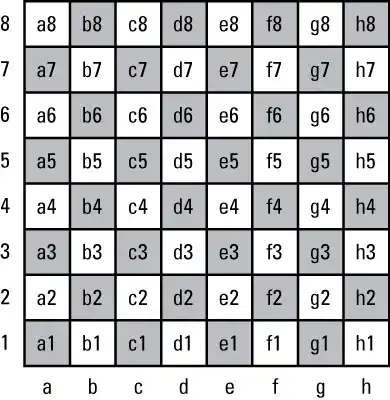
2. Understanding the Chessboard
A chessboard has:
- 8 ranks (horizontal rows) numbered 1 to 8
- 8 files (vertical columns) labeled a to h
- 64 squares, alternating between light and dark
The board must always be positioned with a white square at the bottom-right corner. This rule ensures proper alignment of the pieces.
Initial Setup
Each player begins with:
- 1 King
- 1 Queen
- 2 Rooks
- 2 Knights
- 2 Bishops
- 8 Pawns
The back row consists of the major and minor pieces, while the front row is lined with pawns.
A useful reminder: “Queen goes on her own color.”
This means the white queen starts on a light square (d1), and the black queen on a dark square (d8).
3. Chess Pieces and How They Move
Chess has six unique pieces, each with its own movement pattern and strategic purpose. Understanding how they operate is essential for proper gameplay.
King
The King is the most important piece but not the strongest.
- Moves one square in any direction: forward, backward, sideways, or diagonally.
- Cannot move into check (a square attacked by an opponent’s piece).
- If you lose the King (i.e., get checkmated), the game ends.
Queen
The Queen is the most powerful piece on the board.
- Moves any number of squares horizontally, vertically, or diagonally.
Because of her strength, beginners often use the Queen too early and expose her to danger. Proper timing is key to using the Queen effectively.
Rook
The Rook moves:
- Straight lines horizontally or vertically
It becomes extremely powerful when the board opens up and plays a crucial role in attacking and defending files and ranks.
Bishop
Bishops move diagonally any number of squares.
- Each bishop stays on the same color throughout the game—one light-squared, one dark-squared.
Bishops are excellent in long-range attacks and open positions.
Knight
The Knight moves in an L-shape—two squares in one direction followed by one square perpendicular.
- It is the only piece that can jump over others, making it uniquely useful in congested positions.
Pawn
Pawns move differently depending on the situation:
- Move one square forward
- Can move two squares on their first move
- Capture diagonally forward
- Cannot move backward
When a pawn reaches the opposite side of the board, it can promote to any other piece (except a King), usually a Queen.
4. Special Rules Every Beginner Must Know
Chess has a few special moves that make the game more dynamic and strategic.
Check
When the King is under attack, the player must make a move to escape the threat.
Checkmate
The King is under attack and cannot escape.
This ends the game.
Stalemate
When a player has no legal move but is not in check, the game ends in a draw.
This is one of the most important defensive techniques for saving a lost position.
Castling
Castling is a defensive move that allows the King and Rook to move simultaneously.
It serves two purposes:
- Protects the King by moving it to the side
- Activates the Rook, bringing it toward the center
Requirements for Castling:
- Neither the King nor the Rook involved has moved before
- There must be no pieces between them
- The King cannot be in check
- The King cannot castle through or into check
En Passant
A special pawn capture that can occur when an opposing pawn moves two squares forward from its starting rank, landing beside your pawn.
Your pawn may then capture it as if it had moved only one square.
Pawn Promotion
When a pawn reaches the eighth rank, it must transform into a Queen, Bishop, Rook, or Knight.
Most players choose a Queen due to its power.
5. How to Start Playing Chess – Step-by-Step Guide
Starting a chess game correctly builds a strong foundation for future improvement.
1. Set Up Pieces Properly
Ensure every piece is placed in its correct square.
Correct setup is essential for beginners to develop good habits.
2. Learn Piece Values
This helps guide your decisions on which trades are beneficial.
Standard values:
- Pawn = 1
- Knight = 3
- Bishop = 3
- Rook = 5
- Queen = 9
3. Develop Your Pieces
Good players bring Knights and Bishops into the game early.
Avoid wasting time by moving the same piece multiple times during the opening.
4. Control the Center
The central squares (d4, d5, e4, e5) allow your pieces to exert maximum influence.
Dominating the center gives you long-term advantages in mobility and attack.
5. Castle Early
Castling protects your King and prepares your Rook for action.
Postponing castling often leads to unnecessary risks.
6. Winning Strategies for Beginners
Chess rewards players who think ahead and follow structured strategies.
Control the Center
Pieces placed in the center have more activity and greater attacking potential.
Develop All Pieces
Every piece has a role. Leaving pieces inactive is a common beginner mistake.
Avoid Early Queen Adventures
The Queen is powerful but vulnerable if brought out too early.
Keep her safe until your minor pieces are developed.
Think Before You Move
Always ask:
- What is my opponent threatening?
- If I move this piece, does it become vulnerable?
- What long-term benefit does my move provide?
Keep Your King Safe
A strong attack means nothing if your King is exposed.
Safety first—always.
7. Best Chess Openings for Beginners
Openings are the first 10–12 moves of the game.
Beginners should focus on simple, solid openings that build good fundamentals.
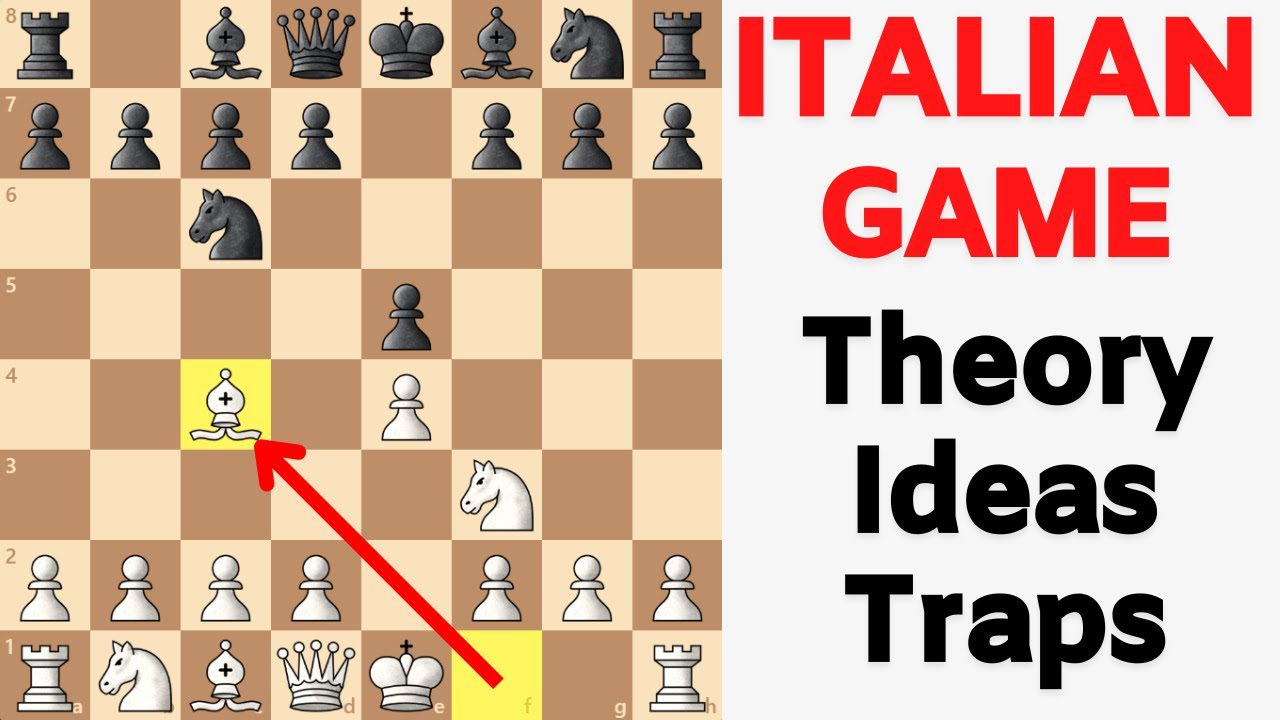
1. Italian Game
Moves: e4 e5 Nf3 Nc6 Bc4
This opening is ideal for beginners because it rapidly develops pieces and targets the weak f7 square.
2. Queen’s Gambit
Moves: d4 d5 c4
A stable and strategic opening that teaches players how to control space and maintain long-term pressure.
3. Scandinavian Defense
Moves: e4 d5
This opening immediately challenges White’s center and creates active piece play for Black.
4. London System
A simple and reliable opening for any skill level.
It creates a strong structure that is easy to learn and difficult to break.
8. Why Chess Makes You Smarter
Chess strengthens the brain in several scientifically proven ways:
- Improves memory and recall
- Increases focus and attention span
- Boosts creativity by encouraging imaginative play
- Enhances logical and analytical thinking
- Trains decision-making under pressure
- Encourages patience and discipline
9. Common Beginner Mistakes to Avoid
Beginners often struggle with similar errors. Avoiding these will dramatically improve your results.
❌ Bringing the Queen out too early
❌ Ignoring your opponent’s threats
❌ Not castling soon enough
❌ Moving the same piece repeatedly
❌ Leaving pieces undefended
❌ Trading pieces without understanding their value
By correcting these habits, you will progress much faster.
Final Thoughts
Chess is a remarkable game that combines strategy, creativity, logic, and discipline. Although the rules are simple, the depth of the game is endless. The more you practice, the more patterns you recognize, and the stronger your understanding becomes.
Whether you aspire to play competitively or simply want to enjoy the intellectual challenge, learning the fundamentals of chess is the first step toward mastering this timeless game. With consistent practice and curiosity, every beginner can grow into a skilled, confident player.