


Arsenal vs Crystal Palace: A Night of Nerve, Discipline, and Decisive Moments
Some football matches are remembered not for their scorelines, but for the emotional and tactical journeys they represent. The recent encounter between Arsenal and Crystal Palace was one such contest—an evening defined by composure under pressure, strategic discipline, and the fine margins that separate progress from elimination.
Played in the quarter-final of the Carabao Cup, the match carried weight beyond a typical knockout fixture. For Arsenal, it represented a tangible opportunity to move closer to silverware. For Crystal Palace, it was a chance to assert their identity against elite opposition on a major stage.
What unfolded was a tightly contested battle that ultimately required penalties to determine its outcome—an ending that felt fitting for a match balanced so delicately between control and resistance.
The Broader Context: Why This Match Mattered
Cup competitions often reveal truths about teams that league fixtures do not. With no room for recovery, knockout football tests mentality as much as tactical preparation.
Arsenal entered the match with expectations firmly placed upon them. Their recent seasons have been defined by progress, youth development, and an emphasis on structured, possession-based football. The Carabao Cup, while sometimes underestimated, remains a realistic and meaningful target—particularly for a squad seeking tangible rewards for its evolution.
Crystal Palace, meanwhile, approached the fixture with nothing to lose and much to prove. Known for their defensive organisation and ability to disrupt stronger opponents, Palace have long embraced the role of disciplined challengers. Against Arsenal, their objective was clear: remain compact, frustrate rhythm, and capitalise on moments of opportunity.
First Half: Control Without Breakthrough
From the opening whistle, Arsenal asserted territorial dominance. Their midfield circulated possession patiently, probing for spaces between Palace’s defensive lines. Full-backs pushed high, wingers maintained width, and the tempo was carefully managed rather than forced.
Crystal Palace responded exactly as expected. Sitting deep in a compact shape, they denied central channels and invited Arsenal to play around them. Rather than chasing the ball, Palace focused on positioning, blocking passing lanes, and winning second balls.
Despite Arsenal’s dominance in possession, clear-cut chances were limited. Palace’s defensive discipline ensured that shots were taken from distance or under pressure. The first half ended goalless, but not without tension—Arsenal controlled the game, while Palace controlled the spaces that mattered.
Tactical Contrast: Possession vs Precision
The opening forty-five minutes highlighted the philosophical contrast between the two sides.
Arsenal’s approach:
- Positional discipline in midfield
- High defensive line to sustain pressure
- Patience over risk in chance creation
Crystal Palace’s approach:
- Compact defensive block
- Physical duels in midfield
- Quick transitions rather than sustained attacks
Neither philosophy dominated outright. Instead, they neutralised each other, setting the stage for a decisive second half.
Second Half: Goals, Errors, and Response
The second half introduced urgency. Arsenal increased tempo, moving the ball more quickly and committing additional numbers forward. The breakthrough eventually came not through elaborate build-up, but from pressure-induced error.
A defensive lapse by Palace allowed Arsenal to take the lead—an outcome that felt inevitable given the sustained pressure. The Emirates Stadium responded with relief more than celebration, aware that the match remained far from settled.
To Palace’s credit, the goal did not break their resolve. Rather than retreating further, they adjusted. Their midfield pressed higher, and set-piece situations became a focal point. Late in the game, that persistence paid off as Palace found an equaliser—a moment that shifted momentum entirely.
Suddenly, Arsenal were forced to confront the reality of knockout football: dominance does not guarantee progression.
Psychological Shift: From Control to Caution
Following the equaliser, the dynamic changed. Arsenal, previously assertive, became more cautious. Palace, energised by parity, sensed vulnerability.
Both teams created half-chances, but risk management took priority. Neither side was willing to concede late, and the match moved steadily toward penalties—a scenario that rewards composure more than creativity.
Penalty Shootout: Football at Its Most Exposed
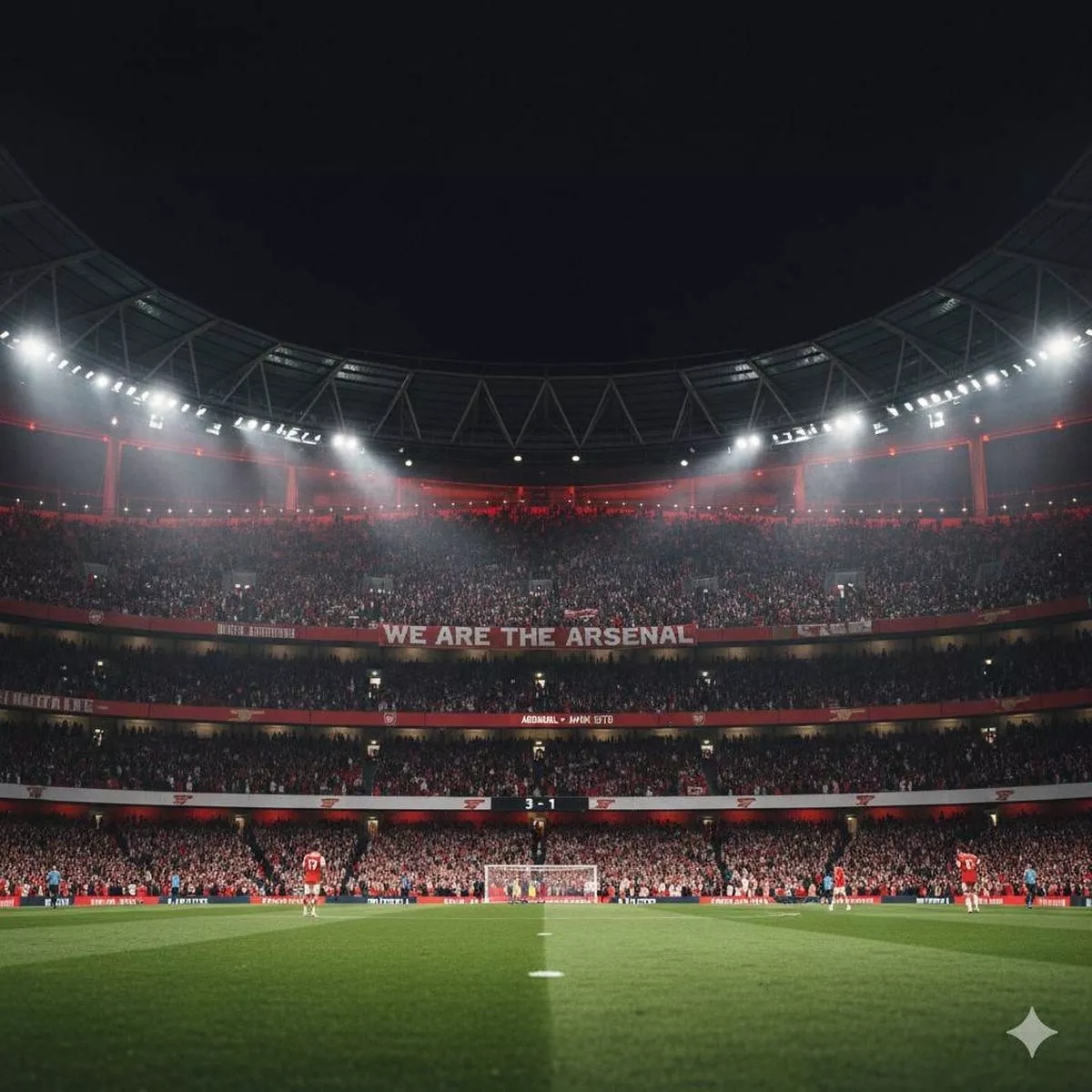
Penalty shootouts strip football down to its psychological core. There are no tactics, no teammates to rely on—only technique and nerve.
Arsenal’s players stepped forward with clarity of purpose. Their penalties were taken with confidence, placement prioritised over power. Palace responded in kind, matching Arsenal kick for kick and refusing to yield.
The decisive moment came when Arsenal’s goalkeeper produced a crucial save, swinging the balance irreversibly. Moments later, Arsenal converted the winning penalty, sealing progression amid a mixture of relief and celebration.
Individual Performances That Defined the Night
While football is a collective sport, certain performances stood out:
- Arsenal’s goalkeeper demonstrated exceptional composure, particularly during the shootout.
- Palace’s central defenders maintained concentration under constant pressure.
- Midfield leaders from both teams controlled tempo and organisation during critical phases.
No single player dominated the match, but several influenced it at decisive moments—often in subtle, understated ways.
Atmosphere at the Emirates Stadium
The setting played its part. Emirates Stadium provided an atmosphere that intensified with every passing minute.
During the shootout, silence preceded each penalty, followed by explosive reaction. Such moments underscore the emotional investment of knockout football, where tension is shared collectively between players and supporters.
Crystal Palace: Defeat Without Disgrace
Although eliminated, Crystal Palace emerged with credit. Their structure, resilience, and adaptability reflected a team comfortable with its identity.
Against one of England’s most technically proficient sides, Palace demonstrated that discipline and belief can bridge significant gaps in resources and reputation. Performances like this reinforce why they remain one of the league’s most difficult opponents to break down.
What This Win Means for Arsenal
For Arsenal, progression to the semi-finals carries practical and symbolic significance.
Practically, it keeps alive a realistic route to silverware. Symbolically, it reinforces the squad’s growing maturity. Winning under pressure—particularly in scenarios decided by fine margins—is a trait shared by successful teams.
This match also offered lessons. Control must be converted more efficiently. Dominance must be decisive. Such insights are invaluable as Arsenal balance domestic and European ambitions.
Tactical Lessons Moving Forward
Arsenal will reflect on:
- Improving efficiency in the final third
- Managing momentum after scoring
- Maintaining intensity against compact opponents
Crystal Palace, meanwhile, can take confidence from:
- Their defensive organisation
- Set-piece effectiveness
- Psychological resilience away from home
Both teams leave the fixture with clarity about strengths and areas for refinement.
The Enduring Appeal of Cup Football
Matches like Arsenal vs Crystal Palace remind us why cup competitions remain essential to football’s identity. They compress narratives—strategy, emotion, and uncertainty—into singular, decisive events.
There is no safety net, no long-term correction. Only the present moment matters.
Conclusion: A Match Beyond the Scoreline
Arsenal’s victory will be recorded as a penalty shootout win, but the story runs deeper. It was a contest shaped by patience, resolve, and mental strength.
In the end, this was not merely a quarter-final—it was a reflection of modern English football at its most compelling.